
Introduction: The Global Language of Rolling
The joint is one of the most universal forms of cannabis consumption. It requires little equipment, it can be shared easily, and it is endlessly customizable. Across continents, the simple act of rolling becomes a statement of creativity and identity. Some treat it as a craft, while others see it as a sacred ritual or a symbol of rebellion. What makes the joint unique is not just the cannabis inside but the cultural meaning attached to it. Understanding rolling traditions around the world helps us see how cannabis connects people through ritual and shared experience.
Early Origins of Cannabis Rolling
Cannabis has been consumed for thousands of years, but the idea of wrapping it in paper emerged more recently. In Asia, cannabis was often smoked in clay pipes or mixed with herbs. In the Middle East, hashish was rolled into balls and smoked in ornate devices. The shift toward paper began as tobacco smoking spread globally in the 1600s and 1700s. When rolling papers became commercially available in Spain and France, it opened the door to mixing cannabis into the same format. By the 1800s, documented accounts show cannabis being rolled and smoked in paper, especially in Latin America, where it merged with local traditions.
The Craft of Rolling: Skill and Patience
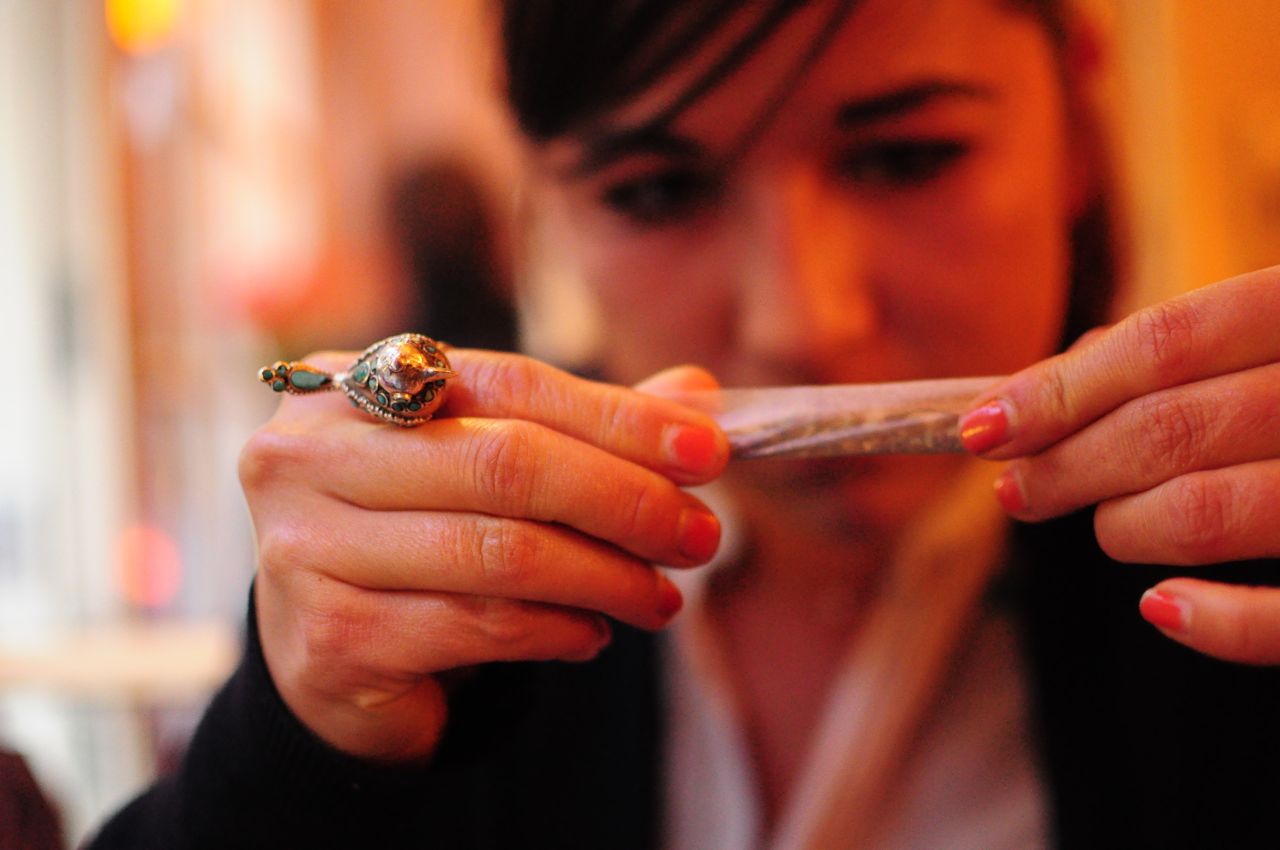
Rolling a joint by hand takes practice, and for many it becomes an art. A poorly packed joint burns unevenly, creating runs and hot spots. A well-rolled joint produces an even burn that maximizes flavor and consistency. The ritual involves breaking down the flower, selecting the right paper, creating balance across the length, and sealing it with precision. This process teaches patience and mindfulness. Even as grinders, cones, and pre-rolls simplify the process, the pride of hand-rolling remains unmatched. In cannabis culture, someone who can roll flawlessly is often seen as the leader of the session.
Europe: The Spliff and Its Influence
In Europe, the preferred roll is often the spliff. A spliff blends cannabis with tobacco, creating a stronger throat hit and a different balance of effects. This practice spread widely in countries like the Netherlands, France, and Spain, where tobacco smoking was already normalized. Spliffs are part of everyday cannabis life, with rolling papers widely available in corner shops. In Amsterdam coffee shops, tourists often encounter locals rolling spliffs instead of pure joints, which can surprise those unfamiliar with the tradition. Beyond practicality, spliffs became a social bond, as tobacco extended the cannabis and made it easier to share among larger groups.
The Caribbean: Blunts, Leaves, and Spiritual Meaning
In the Caribbean, rolling culture took a different path. Instead of papers, many consumers began using tobacco leaves or emptied cigars to roll what became known as blunts. Jamaica, in particular, gave global recognition to the blunt through Rastafarian practices. Cannabis, or ganja as it is called locally, plays a spiritual role in Rastafarianism, where smoking is viewed as a form of meditation and connection to the divine. Blunts, with their slow burn and full-bodied experience, were ideal for long reasoning sessions. Over time, this style spread to the United States, where the blunt became a symbol in hip-hop culture and beyond.
North America: Counterculture and the Iconic Joint
In the United States, the joint became iconic during the 1960s and 1970s counterculture movement. It symbolized freedom, resistance, and an alternative to mainstream values. Students, activists, and musicians rolled joints not only for relaxation but as a shared protest against restrictive laws. Iconic artists like Bob Dylan and The Beatles referenced joints in their music, further embedding the ritual into popular culture. As the years progressed, the joint remained a mainstay. The visual of someone passing a joint around a circle continues to represent community, trust, and connection. Even with today’s vast product choices, the joint retains its cultural weight in America.
South America: Rolling With Local Flavor
South America has its own rich relationship with rolling rituals. In Brazil, cannabis is often rolled with local tobaccos, creating unique blends that reflect regional preferences. In Argentina, the ritual of rolling is tied to social gatherings, especially music festivals and beach outings where sharing joints is part of the experience. In Chile, cannabis is increasingly rolled in pure form, with younger generations leaning away from tobacco. These rolling habits reflect both cultural identity and generational shifts, showing how cannabis rituals evolve while maintaining their role as tools for connection.
India: Tradition and Spiritual Context
India has one of the oldest cannabis traditions in the world, and rolling culture here takes a distinct form. Instead of standard joints, many regions use hand-rolled chillums or create cannabis-filled rolls with natural leaves. Cannabis, often prepared as charas (a hand-rolled hashish), is used in spiritual ceremonies and festivals. During events like Holi or Shivaratri, cannabis smoking is tied to devotion and community. While the modern paper joint is common in urban centers, India’s traditional cannabis rituals emphasize the deep spiritual history behind rolling and smoking.
Africa: Local Customs and Creativity
Across Africa, cannabis has been consumed in diverse ways, with rolling traditions reflecting local resources. In some regions, corn husks or handmade papers are used when commercial rolling papers are unavailable. In South Africa, the rise of cannabis legalization has blended traditional rolling practices with modern paper culture. Community remains at the core, with group smoking sessions emphasizing sharing. Rolling is not just about consumption but about participation in a collective experience, which highlights cannabis’s role as a unifier.
The Rise of Rolling Papers and Innovation
Rolling papers themselves have a fascinating history. Brands like Rizla, OCB, and RAW have become cultural touchpoints in their own right. Hemp-based papers, flavored papers, and even gold-leaf options reflect the evolution of rolling culture. Consumers now choose papers as carefully as strains, selecting options that match their lifestyle. Innovations like pre-rolled cones make rolling accessible to beginners, while glass tips and reusable filters elevate the smoking experience. These advancements keep the tradition alive while introducing new layers of customization.
Social Media and the Modern Rolling Showcase
Rolling culture has entered a new era with social media. Platforms like Instagram, TikTok, and YouTube have turned rolling into a form of performance art. Creators showcase cross-joints, tulip joints, and elaborate designs that go beyond functionality into spectacle. This creativity mirrors older traditions of craftsmanship but adapts it for digital audiences. While many consumers simply want a smooth, reliable joint, others are drawn to the artistry and innovation of these modern rolling experiments.
Pre-Rolls: Convenience Meets Tradition
Dispensaries around the world now sell pre-rolls as a staple product. These ready-to-smoke options appeal to beginners and busy consumers who may not have rolling skills. Yet pre-rolls have not eliminated the desire to roll by hand. In fact, many people buy pre-rolls for convenience but still roll their own for personal sessions. Rolling remains a tactile ritual, offering a sense of control and pride that pre-rolls cannot replace. The coexistence of both options shows that rolling culture has adapted to modern demands without losing its importance.
Rolling as Community Building
The joint is more than a personal tool; it is a social glue. Passing a joint around a circle builds trust and connection, reinforcing bonds between friends and strangers alike. The ritual of rolling before sharing is part of the experience, often sparking conversations, stories, and laughter. Even today, when cannabis can be consumed privately through vapes or edibles, rolling remains a symbol of togetherness. In this way, rolling rituals continue to remind us that cannabis culture thrives not just on the plant itself but on the connections it fosters.
Conclusion: A Shared Ritual With Many Faces
The art of rolling has taken countless forms across cultures. From European spliffs to Caribbean blunts, from Indian charas to American counterculture joints, rolling tells a story of identity, creativity, and community. It has survived centuries of change, adapting to new tools and new social norms. Even in the age of pre-rolls and vaporizers, rolling by hand endures as a meaningful ritual. It is a practice that ties cannabis consumers across generations and continents, proving that a joint is more than just a smoke. It is a cultural language, and it continues to speak loudly around the world.